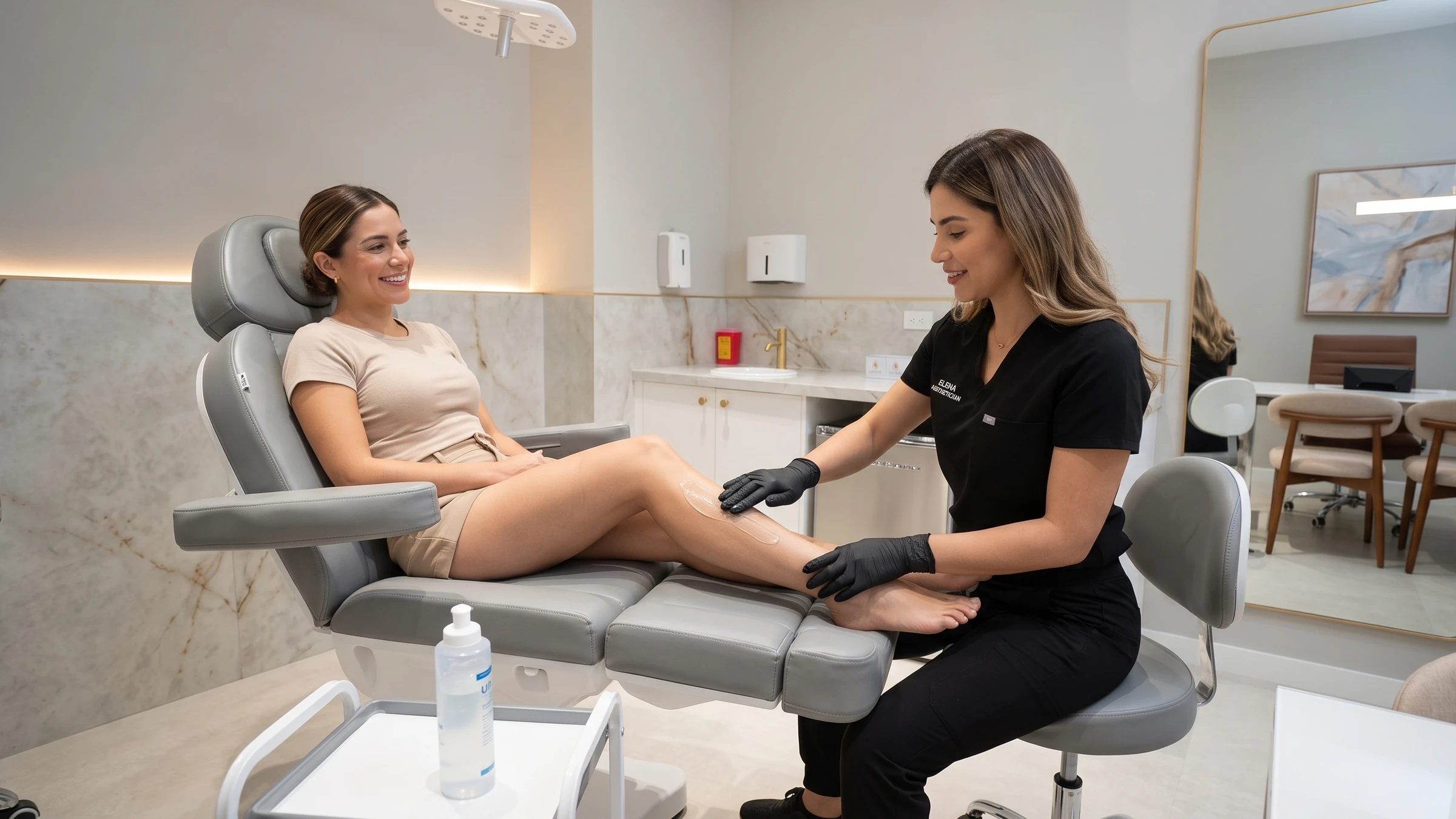
Waxing vs. Laser Hair Removal: Cost, Pain, Regrowth, and Skin-Tone Considerations
Waxing vs. Laser Hair Removal: Cost, Pain, Regrowth, and Skin-Tone Considerations
Navigating the landscape of hair removal options requires a clear understanding of how different methods interact with your unique physiology. At Lumini Medical Spa, located within Aventura Mall, our physician-supervised approach prioritizes safety, evidence-based protocols, and realistic expectations. Patients often face a decision between traditional mechanical methods like waxing and advanced light-based therapies such as laser hair removal. While both aim to reduce unwanted hair, their mechanisms, long-term implications, and suitability for different skin types differ significantly. This guide explores these differences through a cautious, patient-centered lens, focusing on the science of follicular targeting, cost structures over time, pain management, and the critical role of skin tone in treatment planning.
Understanding the Mechanisms: Mechanical Removal vs. Photothermal Targeting
The fundamental difference between waxing and laser hair removal lies in how they interact with the hair follicle. Waxing is a mechanical process that physically extracts the hair shaft from the root. When wax adheres to the hair and is pulled away, it removes the visible portion of the hair and often the bulb at the base of the follicle. However, this method does not destroy the stem cells or the papilla responsible for generating new hair. Consequently, the follicle remains intact and functional, eventually producing a new hair shaft that grows back through the skin surface.
In contrast, laser hair removal uses selective photothermolysis. Light absorbed by melanin in the hair is converted to heat, and that heat affects follicular structures involved in hair production while treatment parameters and cooling help limit injury to surrounding skin. The appropriate expectation is progressive, long-term hair reduction rather than instant destruction of every follicle.
Laser hair removal works best when pigmented hair remains within the follicle. Patients are therefore generally asked to stop waxing, tweezing, plucking, or threading before treatment. Removing the hair mechanically can reduce the target available during the session. Shaving is generally permitted because it removes hair above the skin while leaving hair within the follicle. The timing of these steps should follow the treating provider’s instructions.
Duration of Results and the Concept of Long-Term Reduction
When evaluating these methods, the timeline of results is a primary consideration. Waxing offers temporary smoothness, and regrowth timing varies by body area and individual hair cycle. Waxing does not make the follicle permanently inactive.
Laser hair removal aims for long-term hair reduction, not a guarantee that no hair will ever return. Response varies by treatment area, hair characteristics, skin type, hormonal influences, and other individual factors. Some patients later choose maintenance treatment for regrowth, but the need and timing cannot be predicted universally.
The cost structure reflects these differing timelines. Waxing is a recurring expense whenever the patient wants the result renewed. Laser hair removal has a higher treatment-course investment and may reduce how often some patients rely on temporary hair-removal methods. A direct lifetime-cost comparison is not universal because prices, treatment areas, response, maintenance needs, and personal preferences vary. At Lumini Medical Spa, women’s small areas for laser treatments start at $95 per session. Individual treatment plans depend on the area size, hair density, skin and hair characteristics, and response to therapy; there is no universal series count that applies to every patient.
Pain Variability and Patient Comfort
Pain perception is highly subjective and varies significantly between individuals and treatment methods. Waxing pain is characterized by a sharp, sudden sting as the wax strip is pulled away from the skin. This sensation is immediate and intense but brief. For some patients, the anticipation of this pain can be more distressing than the procedure itself. Additionally, repeated waxing can lead to skin sensitivity, making subsequent sessions potentially more uncomfortable if the skin barrier is compromised.
Laser hair removal sensations are often described differently. Many patients report a feeling similar to a rubber band snapping against the skin or a quick, hot pinch. The sensation is generally localized to the moment the laser pulse is delivered. Modern devices, such as the Triton system used at Lumini Medical Spa, incorporate cooling mechanisms designed to protect the epidermis and enhance patient comfort during the procedure. The cooling element helps mitigate the thermal sensation on the skin’s surface while allowing the energy to penetrate deeper to the follicle.
While discomfort can occur with both methods, its character differs. Waxing pulls hair from the follicle and may temporarily irritate the skin. Laser treatment delivers controlled energy to pigmented hair while device cooling is used to support epidermal protection and comfort. Individual thresholds vary, so comfort measures and their appropriateness should be discussed with the treating provider.
Ingrown Hairs, Pseudofolliculitis, and Skin Health
Laser hair reduction may help selected patients who experience recurrent ingrown hairs or pseudofolliculitis barbae (razor bumps). Waxing can sometimes aggravate irritation or ingrown hairs. A hair may become trapped as it regrows, contributing to inflammation and redness; curly or coarse hair textures can be more susceptible.
By reducing hair growth, laser treatment may also reduce opportunities for treated hairs to curve back into the skin. It does not guarantee that ingrown hairs will disappear, and the appropriate approach depends on the diagnosis, skin condition, hair characteristics, and treatment area. Patients with recurring bumps on the bikini line, neck, or underarms should be assessed before treatment.
However, it is important to manage expectations regarding existing inflammation. Active infections or severe open wounds from recent waxing must be resolved before laser treatment can safely commence. The physician-supervised environment at Lumini ensures that skin conditions are assessed prior to any procedure to prevent complications.
Candidacy: Hair Pigment and Skin Tone Considerations
The efficacy of laser hair removal is heavily dependent on the contrast between the pigment in the hair and the pigment in the surrounding skin. Melanin is the chromophore, or target, for the laser energy. Darker hair contains more melanin, making it an ideal candidate for treatment as it absorbs the light energy efficiently. Conversely, very light blonde, grey, white, or red hair contains insufficient melanin to absorb the laser energy effectively, often rendering the treatment ineffective regardless of the device used.
Because epidermal melanin also absorbs light, darker or recently tanned skin requires particularly careful device and parameter selection. The Triton platform used at Lumini Medical Spa provides wavelength and cooling options intended to support individualized treatment across a range of skin tones. Device choice alone does not establish candidacy or eliminate the risk of burns or pigment change.
Individual assessment remains critical. Patients with darker skin tones require careful parameter selection, and no setting can guarantee the absence of adverse effects. An in-person evaluation is required to assess skin tone, tanning history, hair characteristics, medications, and relevant medical history. For additional context, our guide to laser hair removal for dark skin explains safety considerations and realistic expectations.
Hormonal Hair and Treatment Expectations
Hair growth is often driven by hormonal factors, particularly in conditions such as polycystic ovary syndrome (PCOS) or during pregnancy and menopause. Hormonal hair tends to be more resistant to treatment and may require a different approach than non-hormonal hair. While laser hair removal can effectively reduce the density of hormonally driven hair, the underlying hormonal driver remains. This means that while the existing follicles can be treated, new follicles may become active if hormonal levels fluctuate significantly.
Hormonal influences can affect response and the possibility of future regrowth. Laser treatment does not alter hormone levels; it addresses hair growth in treated follicles. When an underlying hormonal condition is suspected or already diagnosed, medical management and laser treatment serve different purposes and should be coordinated with the appropriate clinician.
Preparation and Risks
Proper preparation is essential for both safety and efficacy. Waxing, plucking, or threading generally must be discontinued so that pigmented hair remains within the follicle. Recent tanning can increase the risk of adverse reactions, including pigment changes or blistering. Patients should follow their provider’s instructions about self-tanners, tanning, and sun exposure before and after each appointment; the required interval depends on individual circumstances.
Laser hair removal can cause redness, swelling, discomfort, pigment changes, burns, blistering, scarring, paradoxical hair growth, or other adverse effects. Careful assessment, individualized settings, cooling, eye protection, and adherence to device and aftercare instructions help manage risk but do not eliminate it. At Lumini Medical Spa, medical history, medications, skin and hair characteristics, and recent sun or tanning exposure are reviewed before treatment.
Frequently Asked Questions
1. How long must I stop waxing before starting laser treatments?
Waxing, plucking, and threading generally need to be stopped before treatment so that pigmented hair remains available within the follicle. The required interval varies, so follow the timing provided during your consultation. Shaving is generally permitted when performed according to your provider’s instructions.
2. Is laser hair removal painful?
Patients commonly describe a brief hot or snapping sensation, but discomfort varies by person and treatment area. The Triton device includes integrated cooling intended to support epidermal protection and comfort. Your provider can discuss appropriate comfort measures during consultation.
3. Can I get laser hair removal if I have dark skin?
Laser hair removal may be appropriate for darker skin tones, but suitability and settings require an in-person assessment. The Triton platform provides wavelength and cooling options; it does not remove the need for individualized planning or guarantee an adverse-event-free result. Please review our guide on laser hair removal for dark skin for more details.
4. Will laser hair removal work on grey or blonde hair?
Laser technology relies on melanin in the hair to absorb energy. Grey, white, very light blonde, and red hairs typically lack sufficient pigment, making them poor candidates for laser treatment.
5. How many sessions will I need?
The number and spacing of sessions vary based on the treatment area, hair characteristics, growth cycles, skin type, and individual response. A series is common, but the number and schedule must be individualized.
6. Does laser hair removal cause ingrown hairs?
Laser hair reduction may help reduce recurrent ingrown hairs in appropriately selected patients by decreasing hair growth. It does not guarantee complete resolution, and temporary irritation can occur after treatment.
7. What is the cost of laser hair removal at Lumini Medical Spa?
Costs vary by area size. For women’s small areas, sessions start at $95. A full consultation is necessary to determine the total estimated cost based on your specific needs and treatment plan.
References
- Krasniqi A, McClurg DP, Gillespie KJ, Rajpara S. Efficacy of lasers and light sources in long-term hair reduction: a systematic review. Journal of Cosmetic and Laser Therapy. 2022;24(1-5):1-8. PMID: 35634805. https://pubmed.ncbi.nlm.nih.gov/35634805/
- Gan SD, Graber EM. Laser hair removal: a review. Dermatologic Surgery. 2013;39(6):823-838. PMID: 23332016. https://pubmed.ncbi.nlm.nih.gov/23332016/
- Jasterzbski TJ, Schwartz RA. Pseudofolliculitis cutis: a vexing disorder of hair growth. British Journal of Dermatology. 2015;172(4):878-884. PMID: 25255890. https://pubmed.ncbi.nlm.nih.gov/25255890/
- Snast I, Kaftory R, Lapidoth M, Levi A. Paradoxical hypertrichosis associated with laser and light therapy for hair removal: a systematic review and meta-analysis. American Journal of Clinical Dermatology. 2021;22(5):615-624. PMID: 34057666. https://pubmed.ncbi.nlm.nih.gov/34057666/
- Rao K, Sankar TK. Long-pulsed Nd:YAG laser-assisted hair removal in Fitzpatrick skin types IV-VI. Lasers in Medical Science. 2011;26(5):623-626. PMID: 21519944. https://pubmed.ncbi.nlm.nih.gov/21519944/
For more information on our specific protocols, please visit our Laser Hair Removal in Aventura page or explore our Facial Laser Hair Removal services. Patients interested in intimate area treatments can learn more about Brazilian Laser Hair Removal in Aventura. To understand the technology behind our treatments, review the details on the Triton device. If you are ready to schedule a consultation, please use our Contact page.
Medically reviewed by Dr. Caio Trentin, MD, Physician, Lumini Medical Spa. Educational information only. It does not replace an in-person assessment. Individual results vary.