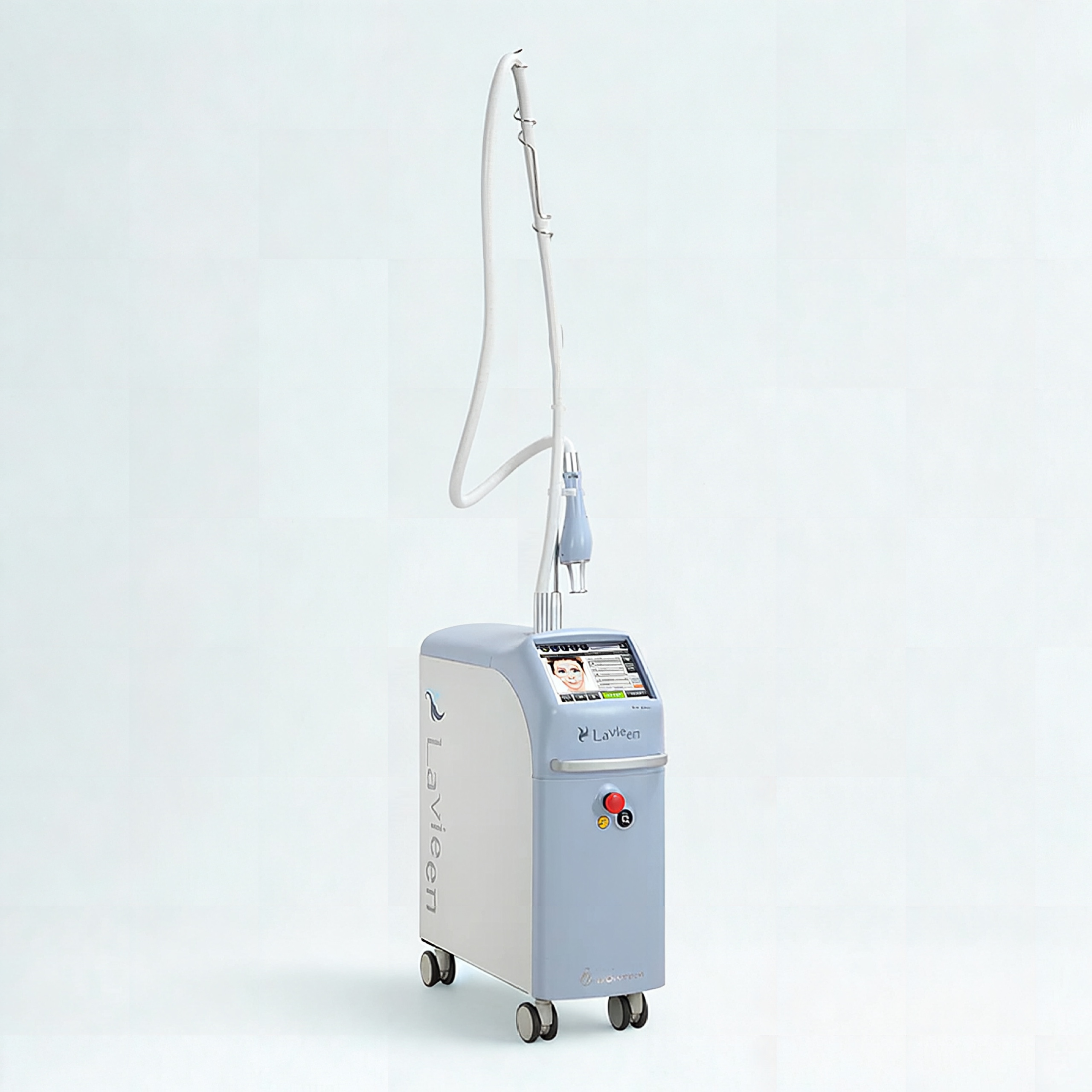
Lavieen BB Laser: What It Treats, Results, Sessions and Downtime
SKINCARE
Lavieen BB Laser: What It Treats, Results, Sessions and Downtime
The Lavieen BB Laser is a 1927 nm thulium fiber laser that treats the upper layers of the skin in a fractional, non-ablative way. It is used to brighten dull skin, fade sun spots and uneven tone, refine texture and pores, and create the smooth, luminous finish often described as “glass skin”. It does not deposit pigment or foundation into the skin, and results come from the skin renewing itself. Most people need a series of about three to four sessions, with a few days of redness and a rough, sandpaper-like texture after each one. At Lumini Medical Spa, located inside Aventura Mall, the Lavieen is one of the lasers used for brightening and skin quality, and settings are chosen after an in-person skin assessment. This guide explains what the BB Laser is, what it treats, what results and downtime to expect, how many sessions are typical and what the research supports.
What the Lavieen BB Laser Is
Lavieen is a 1927 nm thulium fiber laser. The number refers to the wavelength of light it emits, and it explains how the treatment behaves. At 1927 nm, the energy is strongly absorbed by water in the epidermis and upper dermis, the layers where dullness, sun-related pigment and rough texture sit.
It is a non-ablative fractional laser. Instead of removing the whole surface, it creates microscopic columns of treated tissue surrounded by untouched skin. The untouched skin speeds healing, so the skin renews with much less downtime than aggressive resurfacing. As the treated cells shed, they carry excess pigment and damaged surface cells with them, and new, more even skin replaces them.
The name “BB Laser” borrows from BB cream, the Korean “blemish balm” makeup product, because the goal is a similar finish: skin that looks even, smooth and lightly radiant without makeup.
BB Laser vs. BB Glow
The two names are easy to confuse, but they describe different things:
- BB Glow usually refers to a microneedling-style treatment that deposits tinted serum into the skin to mimic foundation. It is not a laser.
- The BB Laser is a real laser treatment. Its effect comes from the 1927 nm wavelength improving your own skin: brightening, evening tone and smoothing texture.
At Lumini, the BB Laser is performed with the Lavieen, and nothing is deposited into the skin. The evidence-backed results are those of the laser itself, which is the mechanism described in the studies below.
What the Lavieen Laser Treats
Because the energy concentrates near the surface, the Lavieen is well suited to concerns that live in the upper layers of the skin:
- Dullness and uneven tone, for a brighter, more uniform complexion.
- Sun spots and sun-related pigmentation.
- Rough texture and enlarged-looking pores.
- Fine lines and early photoaging.
- Post-inflammatory marks, with careful settings.
It can be used on the face, neck, décolleté, hands and other body areas. Lumini’s Lavieen menu also includes a capillary treatment for visible small vessels. Melasma is a special case: it is a chronic, hormone- and light-sensitive condition that can worsen with heat, so it needs a cautious, individualized plan and ongoing maintenance. Our guide to melasma and dark spots explains the broader approach.
How the Treatment Works and What It Feels Like
A session starts with cleansing and, usually, a topical numbing cream for comfort. The provider then passes the handpiece across the treatment area in a grid, adjusting energy and density to your skin type and goals. Most patients describe a warm, prickling sensation that settles quickly after each pass, and cooling helps with comfort. A full-face session typically takes about 30 minutes, not counting numbing time.
Immediately afterward, the skin looks flushed and may feel warm, similar to a sunburn, for a few hours. A fine grid pattern can be visible on the skin for the first day or two.
Results: What to Expect and When
“Glass skin” is an aesthetic goal, not a medical endpoint. What the Lavieen can deliver is skin that is brighter, smoother and more even, and therefore reflects light more uniformly. A realistic timeline:
- Days 3 to 7: as the micro-treated cells shed, skin feels smoother and looks brighter.
- Weeks 2 to 6: pigment spots fade and tone evens out as the skin continues to renew.
- Across a series: improvements in texture, pores and fine lines build with each session, because collagen remodeling continues for weeks after treatment.
Clinical photographs taken before treatment and at follow-up are the most reliable way to judge change, because gradual improvement is easy to underestimate in the mirror. Results vary with skin type, the depth of pigment, sun habits and skincare.
How Many Sessions and How Often
Most patients do a series of about three to four sessions, spaced a few weeks apart. Brightening alone may need fewer; stubborn pigment or texture may need more. After the series, periodic maintenance sessions help sustain the result, since sun exposure and aging continue.
Sun protection is part of the treatment, not an optional extra. New pigment forms quickly in unprotected skin, and consistent daily sunscreen is what keeps results from fading.
Downtime and Aftercare
Downtime is mild and mostly social:
- Redness and warmth for several hours to a day or two.
- Mild swelling, most noticeable the next morning.
- Tiny dark dots and a sandpaper-like texture for about three to seven days, as treated cells and pigment shed. They should flake off on their own.
Typical aftercare includes gentle cleansing, a bland moisturizer, strict sun protection, avoiding picking or scrubbing, and pausing strong actives such as retinoids and exfoliating acids for several days. Your provider will give you written instructions. Makeup can usually be worn once the skin has settled, according to those instructions.
Safety, Skin of Color and What the Evidence Says
The 1927 nm wavelength has clinical support for tone, texture and pigment, mostly from small studies. A prospective study of a non-ablative 1927 nm fractional thulium laser in 27 adults with Fitzpatrick skin types II to IV and photoaging reported significant improvement in texture and pigmentation with a good safety profile. A randomized, split-face, double-blind trial compared a fractionated 1927 nm thulium laser with a picosecond Nd:YAG laser for facial photorejuvenation and found the thulium laser effective. Earlier work in 40 adults with skin types I to IV showed meaningful improvement in facial photopigmentation with nonablative 1927 nm fractional resurfacing.
For deeper skin tones, the evidence is thinner. A pilot study of nine patients, all with Fitzpatrick skin type IV (eight could be evaluated), reported improvement in post-inflammatory hyperpigmentation without rebound darkening, but each laser session was followed by six weeks of hydroquinone cream and some treated areas were on the body, so it does not show what the laser alone does on the face. The other studies above that report skin type enrolled types I to IV, so data for types V and VI are missing. For deeper skin, whether the Lavieen is suitable is therefore an individual judgment made after assessment, with conservative settings, a test area when appropriate and strict sun protection, because heat-based treatments carry a higher risk of rebound pigmentation in darker skin. Our guide to the picosecond laser for skin of color covers another option for pigment in deeper skin tones.
A 2025 review summarizes current trends for dual-wavelength platforms that include the 1927 nm thulium laser, and a 2025 study reported added benefit in photoaging when the laser was combined with a topical salicylic acid formulation. Possible side effects include prolonged redness, swelling, acne flares, cold sore reactivation in people prone to them, and temporary darkening or lightening of the skin. Contact the clinic promptly if you notice blistering, oozing, increasing pain or signs of infection.
Frequently Asked Questions
1. What is a BB laser?
It is a popular name for a fractional 1927 nm thulium laser treatment, such as the Lavieen, that targets the upper layers of the skin to brighten, even tone and smooth texture. The name comes from BB cream, because the goal is an even, radiant finish.
2. Does the BB Laser inject pigment into my skin?
No. At Lumini, the result comes from the 1927 nm laser improving your own skin, not from depositing pigment. BB Glow, a different treatment, is the one that uses tinted serum.
3. Is the Lavieen laser safe for darker skin tones?
Evidence in darker skin is limited. The studies cited here that report skin type enrolled types I to IV, and the study of post-inflammatory hyperpigmentation in darker skin was a small pilot in skin type IV that combined the laser with hydroquinone cream. There are no data for skin types V and VI in these studies, so suitability is decided after an individual assessment, with conservative settings, a test area when appropriate and strict sun protection.
4. Can the Lavieen treat melasma?
It can be part of a melasma plan in selected patients, but melasma is chronic and can worsen with heat. Treatment is cautious, combined with home care and sun protection, and focused on control rather than cure.
5. How soon will I see results, and how long do they last?
Skin usually looks brighter and smoother within about a week, with tone continuing to improve over several weeks. Results can last well with sun protection and periodic maintenance, but new sun exposure and aging continue.
6. Can the BB Laser be combined with other treatments?
Yes. It is often paired with a good skincare routine and can be sequenced with injectables or other skin treatments. Your provider will plan the spacing between treatments.
7. How much does the Lavieen BB Laser cost at Lumini Medical Spa?
Pricing is confirmed after consultation because it depends on the treated areas and the number of sessions. Consultations are complimentary with any same-day treatment; otherwise $200. See our pricing page for published prices.
References
- Li X, Qin S, Shi S, Feng Y, et al. Prospective study of efficacy and safety of non-ablative 1927 nm fractional thulium fiber laser in Asian skin photoaging. Frontiers in Surgery. 2023;10:1076848. PMID: 36950052. https://pubmed.ncbi.nlm.nih.gov/36950052/
- Wu DC, Jones IT, Boen M, Al-Haddad M, et al. A Randomized, Split-Face, Double-Blind Comparison Trial Between Fractionated Frequency-Doubled 1064/532 nm Picosecond Nd:YAG Laser and Fractionated 1927 nm Thulium Fiber Laser for Facial Photorejuvenation. Lasers in Surgery and Medicine. 2021;53(2):204-211. PMID: 32285983. https://pubmed.ncbi.nlm.nih.gov/32285983/
- Brauer JA, McDaniel DH, Bloom BS, Reddy KK, et al. Nonablative 1927 nm fractional resurfacing for the treatment of facial photopigmentation. Journal of Drugs in Dermatology. 2014;13(11):1317-1322. PMID: 25607696. https://pubmed.ncbi.nlm.nih.gov/25607696/
- Alharbi MA. 1927 nm Thulium Laser Successfully Treats PostInflammatory Hyperpigmentation in Skin of Color. Dermatology Research and Practice. 2021;2021:5560386. PMID: 33833793. https://pubmed.ncbi.nlm.nih.gov/33833793/
- Friedman PM, Dover JS, Chapas A, Jacobson A. Current Trends and Future Directions of the Dual 1550-nm Erbium Glass Fiber and 1927-nm Thulium Fiber Non-Ablative Fractional Laser System. Lasers in Surgery and Medicine. 2025;57(7):561-570. PMID: 40635144. https://pubmed.ncbi.nlm.nih.gov/40635144/
- Qiao S, Gao Z, Yang M, Zhu M, et al. Efficacy of combined 1927 nm thulium fiber laser and supramolecular salicylic acid in photoaging treatment. Lasers in Medical Science. 2025;40(1):364. PMID: 40960645. https://pubmed.ncbi.nlm.nih.gov/40960645/
For treatment details, see our Lavieen laser treatment page and the Lavieen technology page, or compare other options for pigment on our Fotona pigment treatment page. If you are ready to discuss your goals, book a consultation at Lumini Medical Spa in Aventura Mall.
Medically reviewed by Dr. Thiago Queiroz, D.O., Medical Director, Lumini Medical Spa. Educational, not a substitute for an in-person consultation.